
Preparing your control enclosures and Cal Rod heating systems before winter can help prevent equipment damage, unexpected failures, and costly downtime.
A little preventative maintenance now can save hours of troubleshooting when it’s cold, dark, and snowing.
Here are five steps to get your switch heating systems ready for winter.
1. Clean and Inspect Your Equipment
Start with a simple visual inspection of your control enclosures, junction boxes, and heaters.
- Check for debris: Open enclosures and junction boxes to check for dirt, moisture, animals, or anything else that doesn’t belong.
- Clean the enclosure: Wipe down the bottom of your control enclosure. It may seem unnecessary, but a clean cabinet makes it much easier to spot parts that may drop, leaks, or other problems.
- Check heater cables: Inspect cables for cuts, nicks, or damaged insulation. Repair or replace damaged cables using approved methods that prevent water intrusion.
2. Mount and Prep Heaters
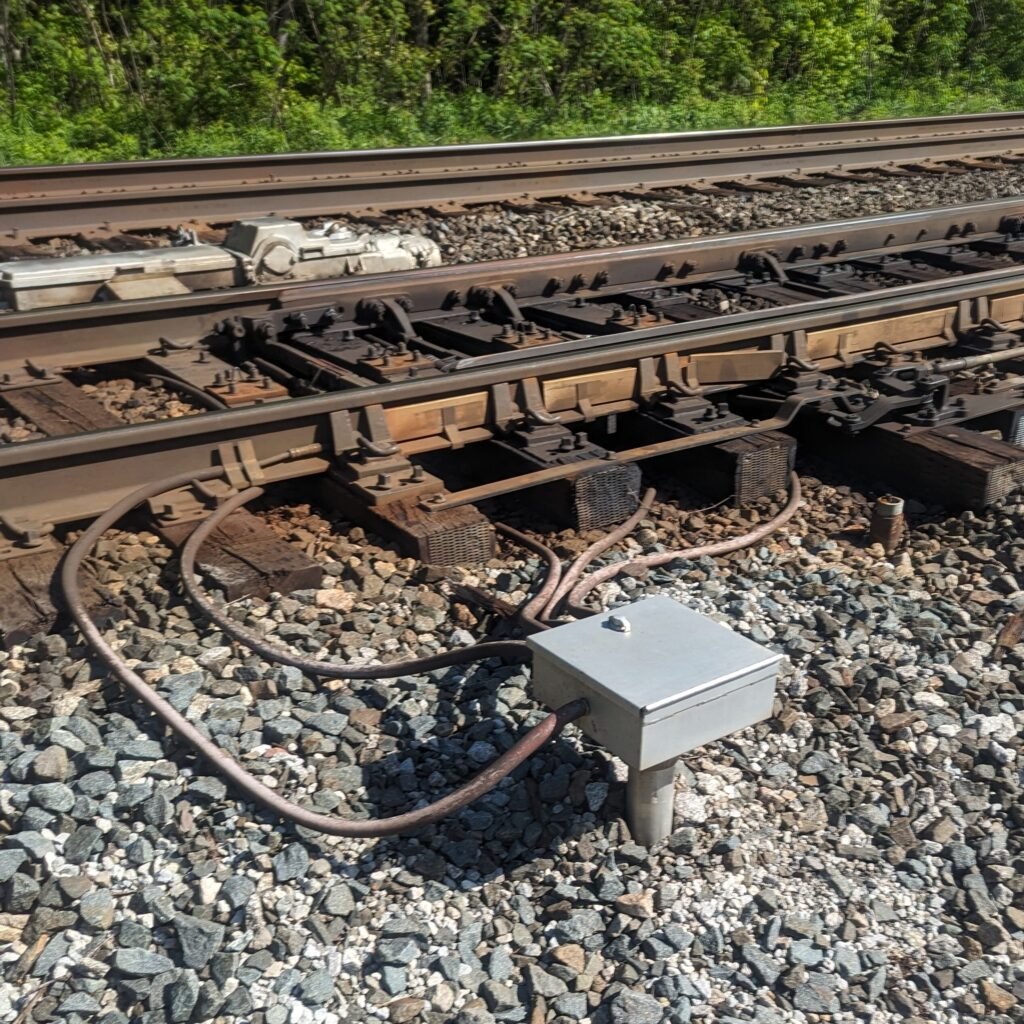
Ensuring your heaters are properly mounted and preparing the surrounding area can improve heating efficiency, extend equipment life, and help prevent emergency repairs during winter storms.
- Check Heater Clips: Make sure Cal Rod heaters are secured to the rail with clips approximately every 20 inches. Proper spacing improves heat transfer to the rail, increases efficiency, and helps prevent premature heater failure.
- Clear Beneath Switch Rods: Ensure there is adequate clearance between the switch rods and the ground. Even with crib heaters, frozen ground can heave upward and prevent the switch rods from moving freely.
3. Enclosure Wiring Check (Power Off)
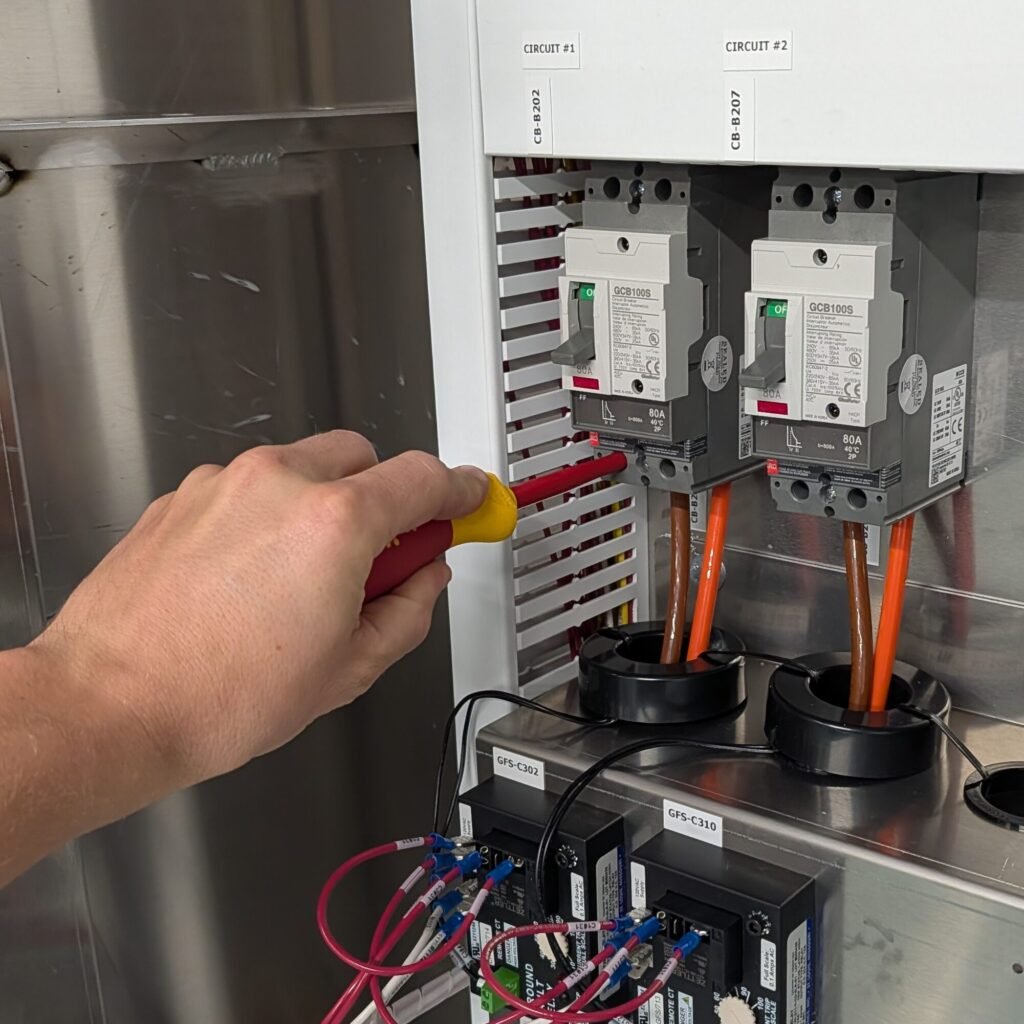
Vibration from passing trains can take a toll on electrical connections over time.
- Tighten electrical connections: Check screw terminals and other connections inside the control enclosure – tighten them to ensure reliable connections. When tightening, look for burnt or dark markings on the wires to indicate overheating or sparking.
- Pull test all wires: Snuggly pull on all wires to make sure they are tight and do not come out.
- Ensure devices are mounted: Apply no more than 10 lbs of force in all direction to devices, especially critical components to make sure mounting hardware has not loosened over time.
Loose connections can cause electrical arcing, damage components, and lead to premature equipment failure.
4. Power Up and Test the System
Once inspections are complete, verify that the system operates properly.
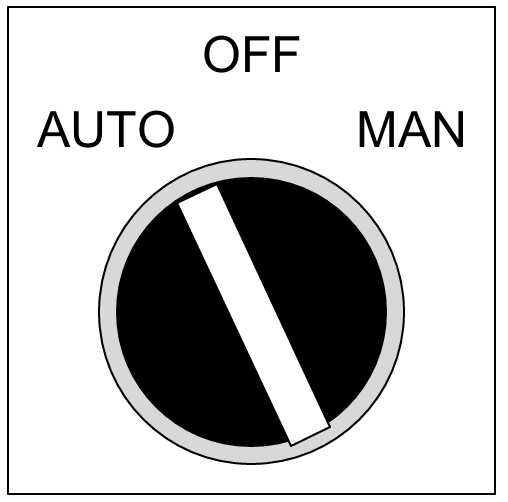
- Check incoming power: Measure incoming voltage and confirm all phases are present and within the proper operating range.
- Test manual operation: Turn the system on in manual mode – verify that contactors engage.
- Test automatic operation: Simulate the remote start signal by using a wire to simulate a closed contact between the designated terminals. Activate the rain snow sensor using water for moisture and an upside down compressed air can to create very cold air. Verify that contactors engage.
- Ensure heaters are working properly: Check the heaters to make sure they are turning and getting hot. Just because a contactor engages doesn’t mean the heaters are working. Verify that heat is actually being produced at the rail.
5. Prepare for Future Troubleshooting
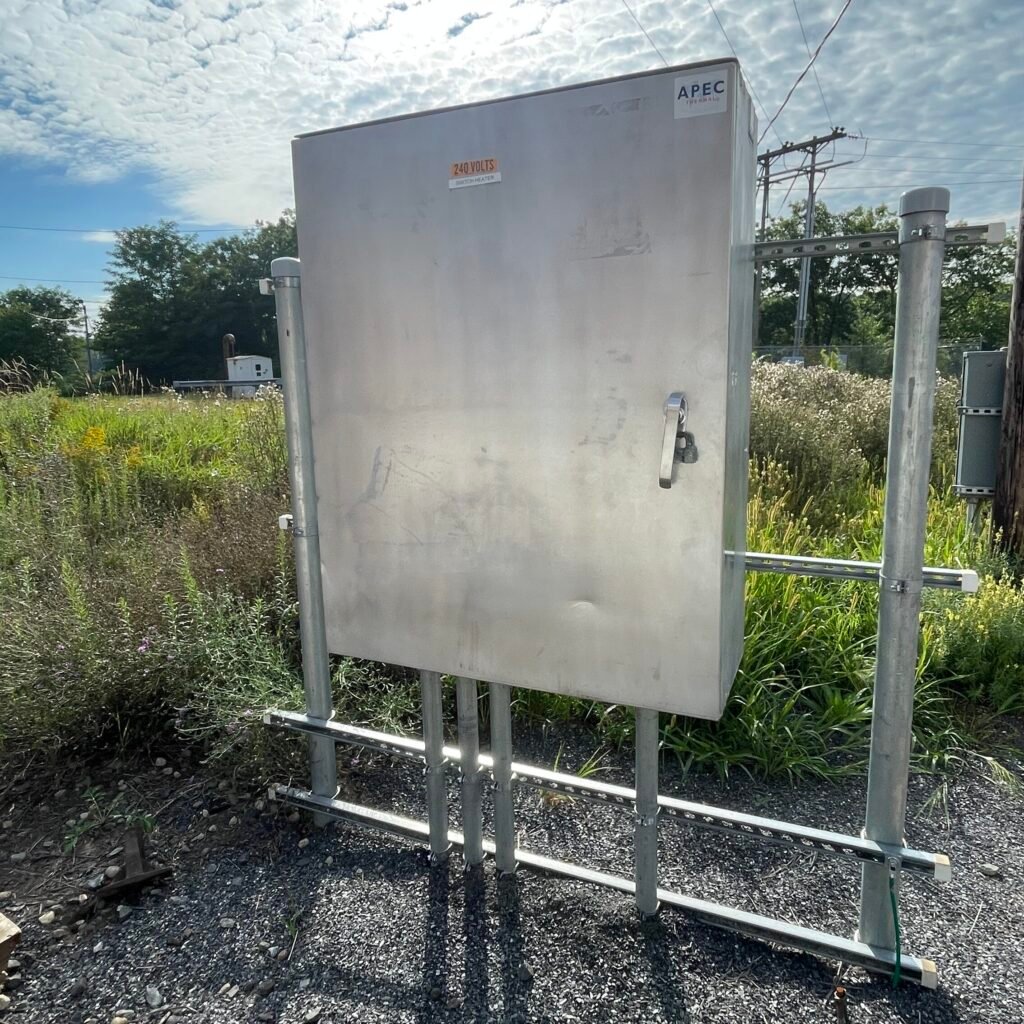
Even well-maintained systems can experience failures – and they often times happen at the worse times! Having the right information and parts available can make a big difference.
- Keep electrical drawings handy: Contact your equipment supplier for a copy of the schematics. Keep a printed copy in the enclosure or save a PDF where you can easily access it.
- Plan for replacement parts: Identify critical components and check their availability. Consider stocking parts that are difficult to source or have long lead times.
- Watch for obsolete equipment: If your enclosure uses proprietary components or PLCs, determine what replacement options are available before something fails.
If you’re dealing with obsolete or proprietary controls, APEC Thermal may be able to help retrofit your system with readily available, off-the-shelf components.
Get Ahead of Winter
A little preparation now can prevent a lot of headaches later. Taking the time to clean, inspect, and test your switch heating equipment can help keep your systems running when you need them most.
Have questions about your controls or need a plan for obsolete equipment?
Give us a call. We’re happy to talk through your system, help troubleshoot an issue, or find a practical solution to keep your equipment running this winter.