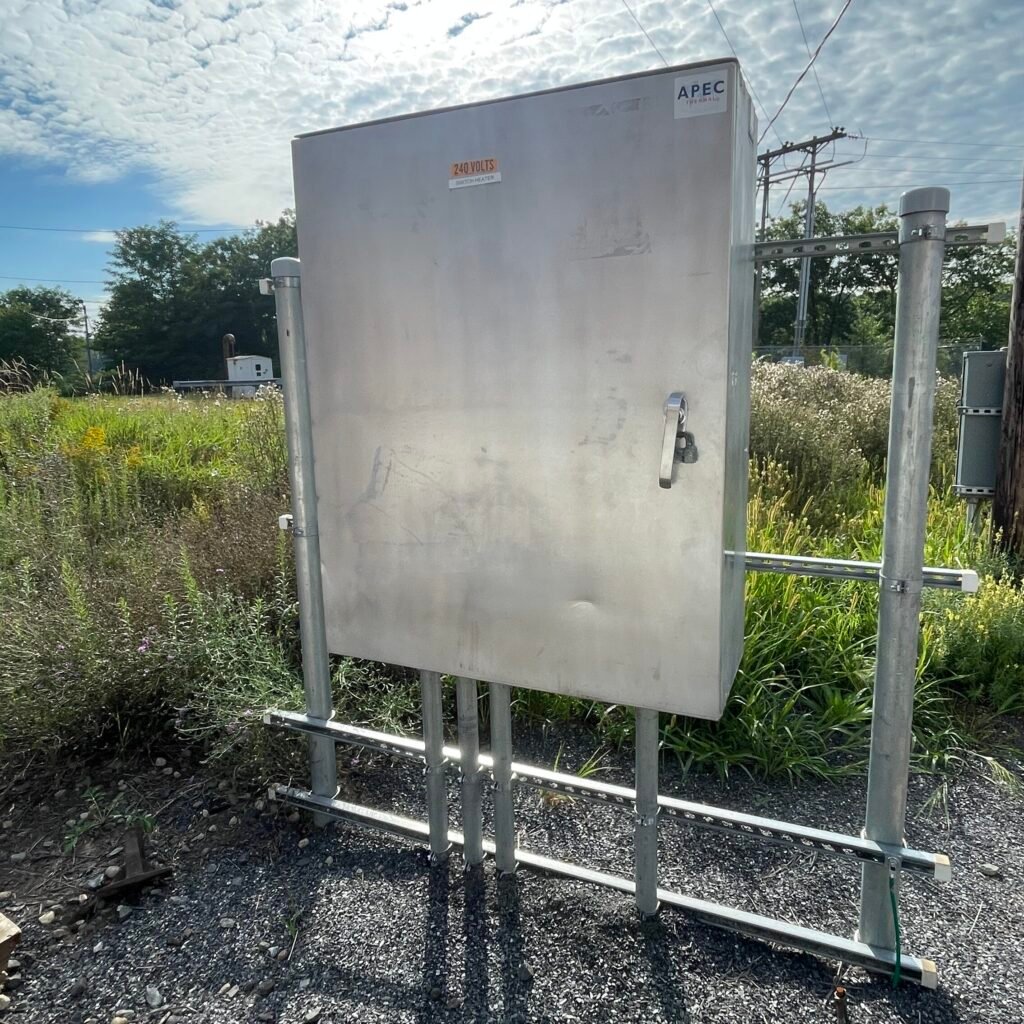
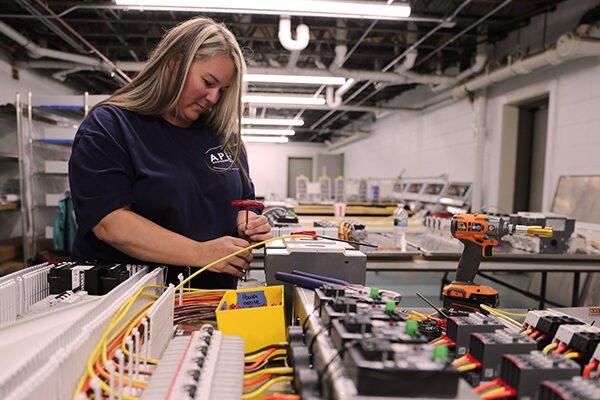
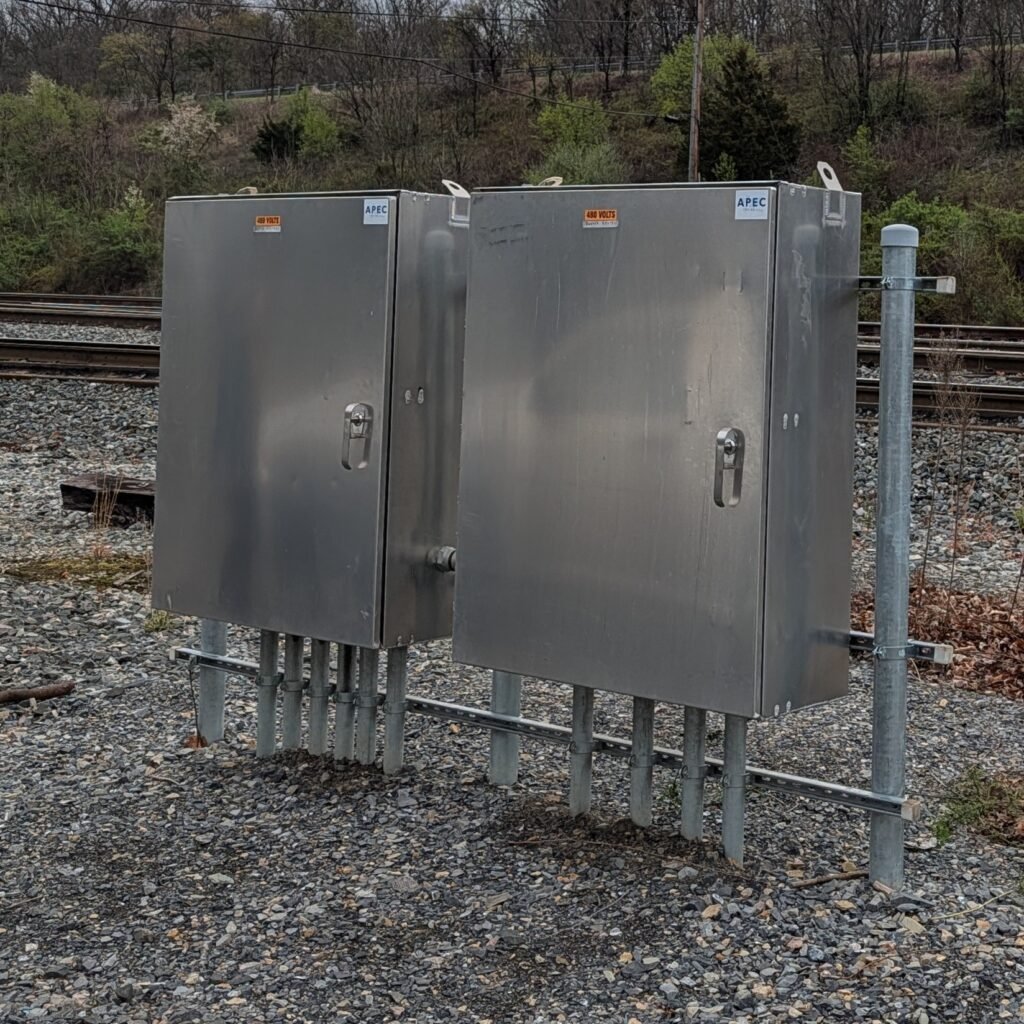
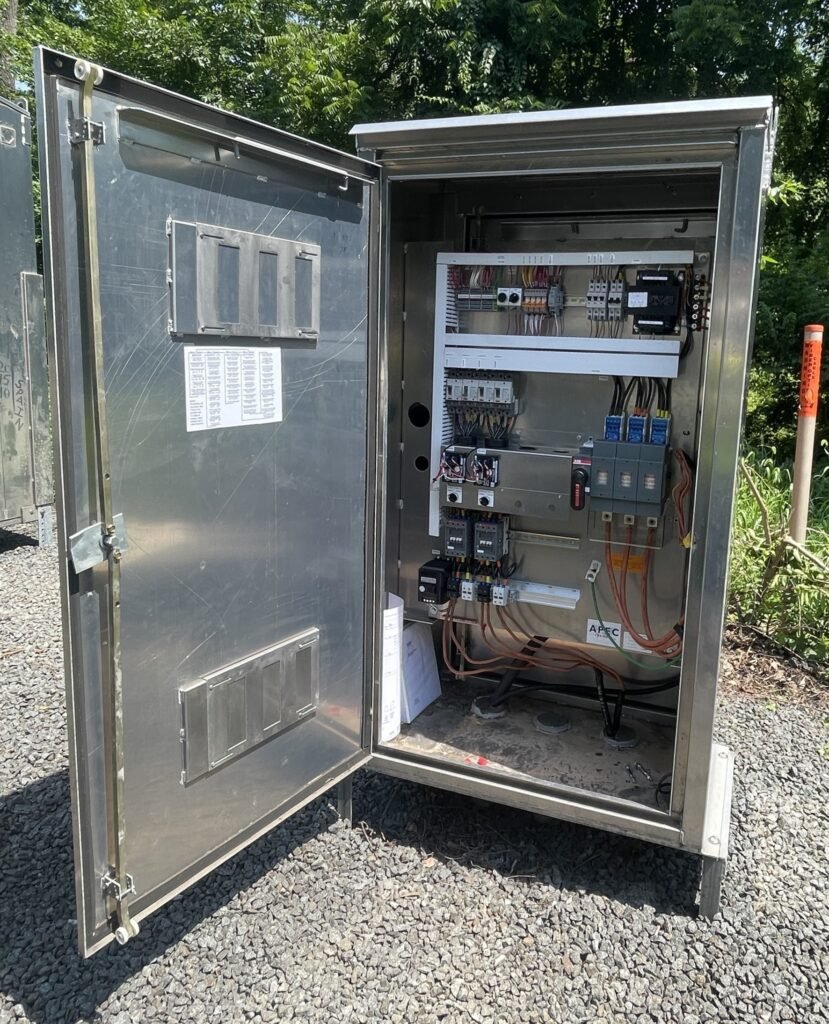
Preparing your control enclosures and Cal Rod heating systems before winter can help prevent equipment damage, unexpected failures, and costly downtime.
A little preventative maintenance now can save hours of troubleshooting when it’s cold, dark, and snowing.
Here are five steps to get your switch heating systems ready for winter.
1. Clean and Inspect Your Equipment
Start with a simple visual inspection of your control enclosures, junction boxes, and heaters.
Check for debris: Open enclosures and junction boxes to check for dirt, moisture, animals, or anything else that doesn’t belong.
Clean the enclosure: Wipe down the bottom of your control enclosure. It may seem unnecessary, but a clean cabinet makes it much easier to spot parts that may drop, leaks, or other problems.
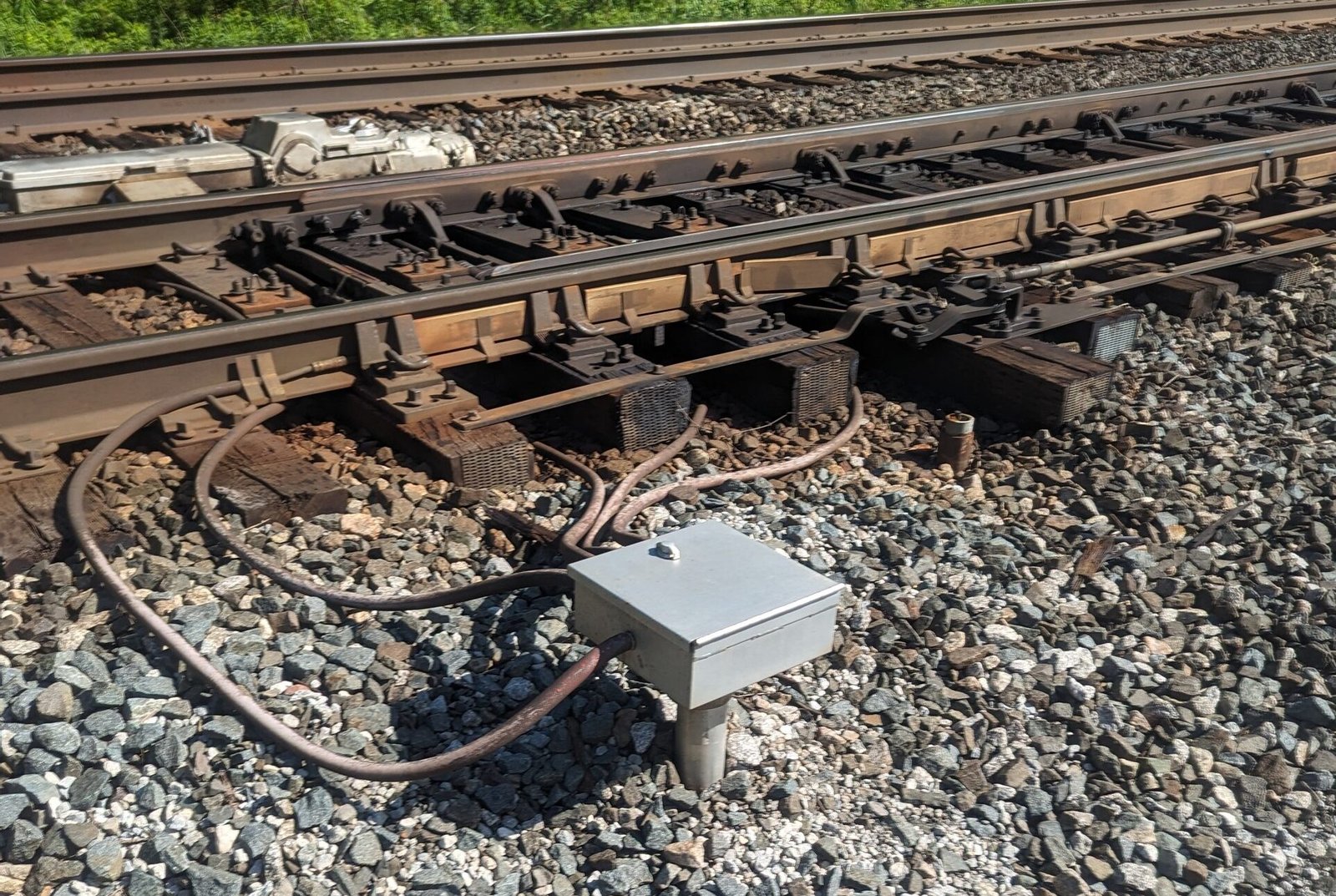
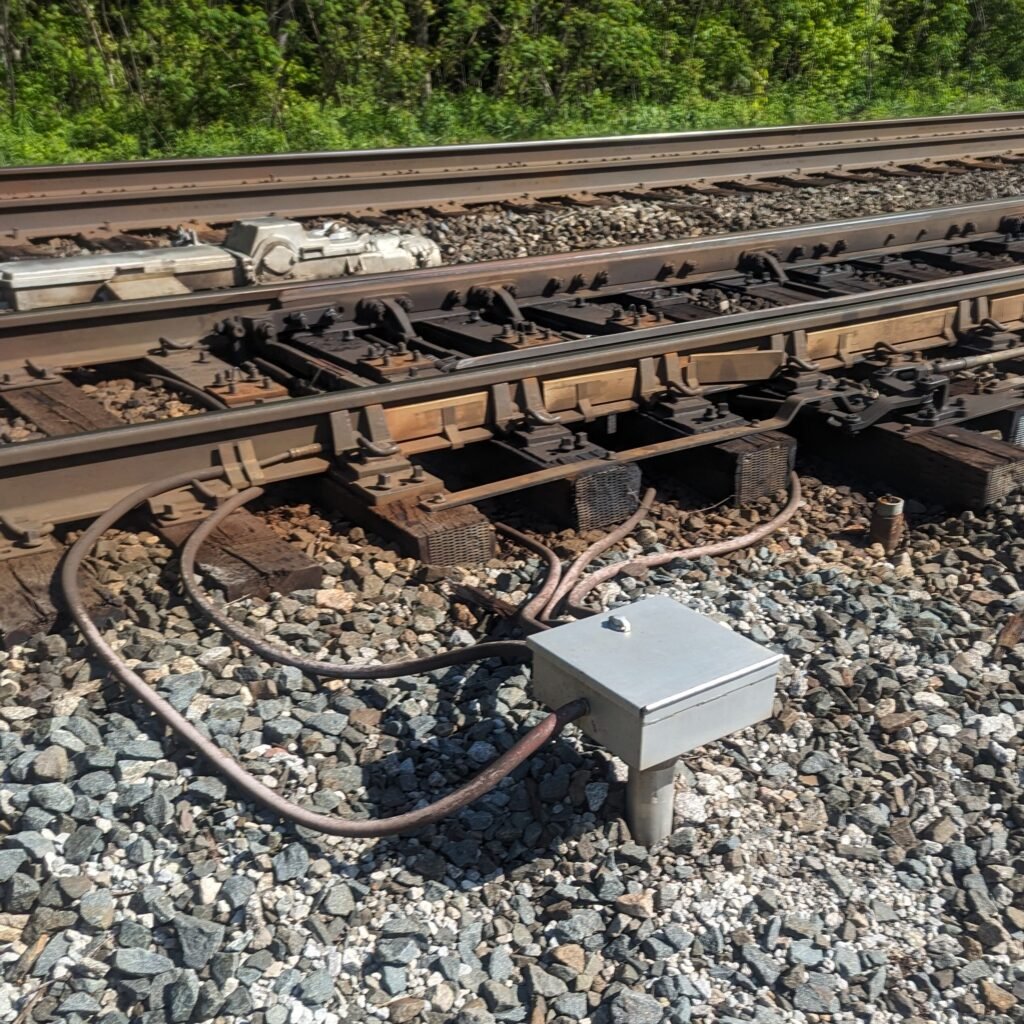
Check heater cables: Inspect cables for cuts, nicks, or damaged insulation. Repair or replace damaged cables using approved methods that prevent water intrusion.
2. Mount and Prep Heaters
Ensuring your heaters are properly mounted and preparing the surrounding area can improve heating efficiency, extend equipment life, and help prevent emergency repairs during winter storms.
Check Heater Clips: Make sure Cal Rod heaters are secured to the rail with clips approximately every 20 inches. Proper spacing improves heat transfer to the rail, increases efficiency, and helps prevent premature heater failure.
Clear Beneath Switch Rods: Ensure there is adequate clearance between the switch rods and the ground. Even with crib heaters, frozen ground can heave upward and prevent the switch rods from moving freely.
3. Enclosure Wiring Check (Power Off)
Vibration from passing trains can take a toll on electrical connections over time.
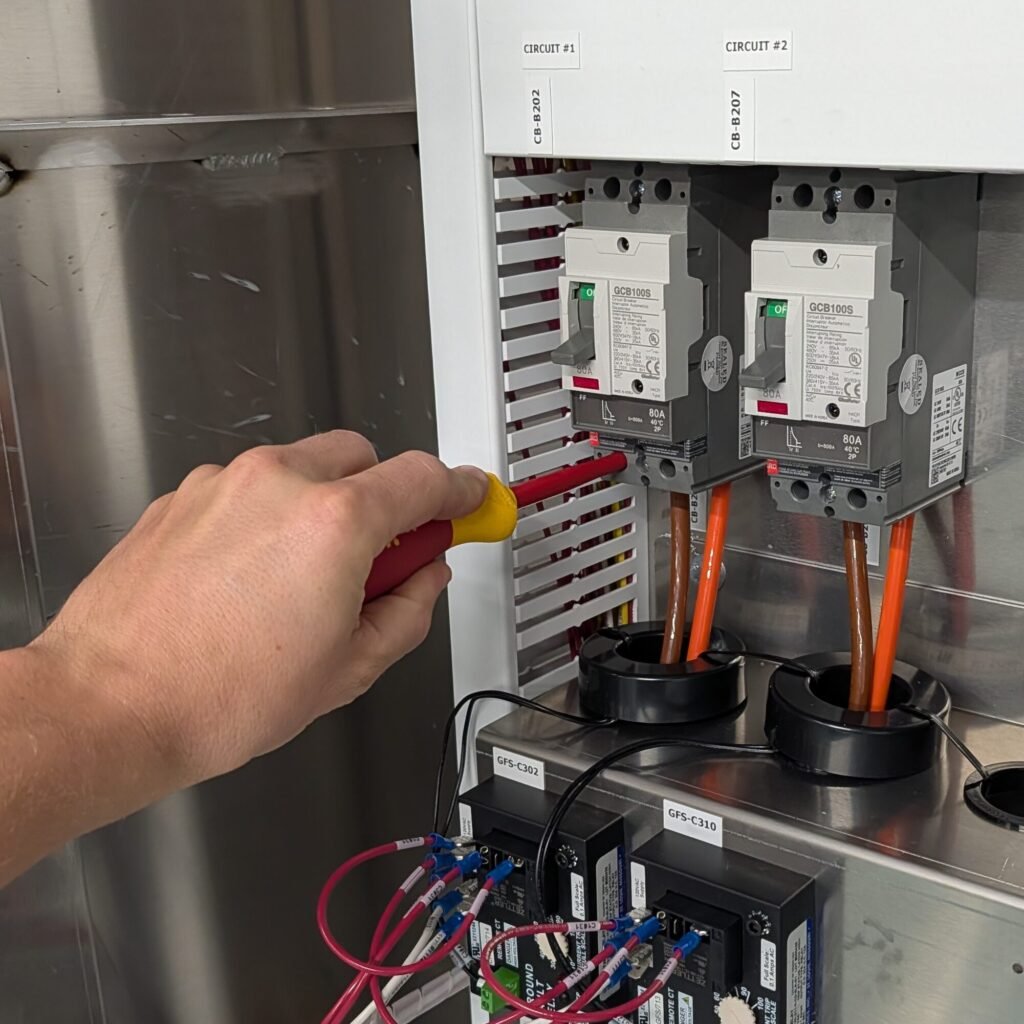
Tighten electrical connections: Check screw terminals and other connections inside the control enclosure – tighten them to ensure reliable connections. When tightening, look for burnt or dark markings on the wires to indicate overheating or sparking.
Pull test all wires: Snuggly pull on all wires to make sure they are tight and do not come out.
Ensure devices are mounted: Apply no more than 10 lbs of force in all direction to devices, especially critical components to make sure mounting hardware has not loosened over time.
Loose connections can cause electrical arcing, damage components, and lead to premature equipment failure.
4. Power Up and Test the System
Once inspections are complete, verify that the system operates properly.
Check incoming power: Measure incoming voltage and confirm all phases are present and within the proper operating range.
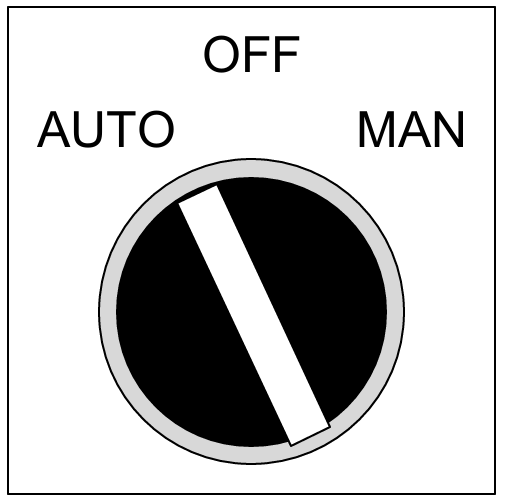
Test manual operation: Turn the system on in manual mode – verify that contactors engage.
Test automatic operation: Simulate the remote start signal by using a wire to simulate a closed contact between the designated terminals. Activate the rain snow sensor using water for moisture and an upside down compressed air can to create very cold air. Verify that contactors engage.
Ensure heaters are working properly: Check the heaters to make sure they are turning and getting hot. Just because a contactor engages doesn’t mean the heaters are working. Verify that heat is actually being produced at the rail.
5. Prepare for Future Troubleshooting
Even well-maintained systems can experience failures – and they often times happen at the worse times! Having the right information and parts available can make a big difference.
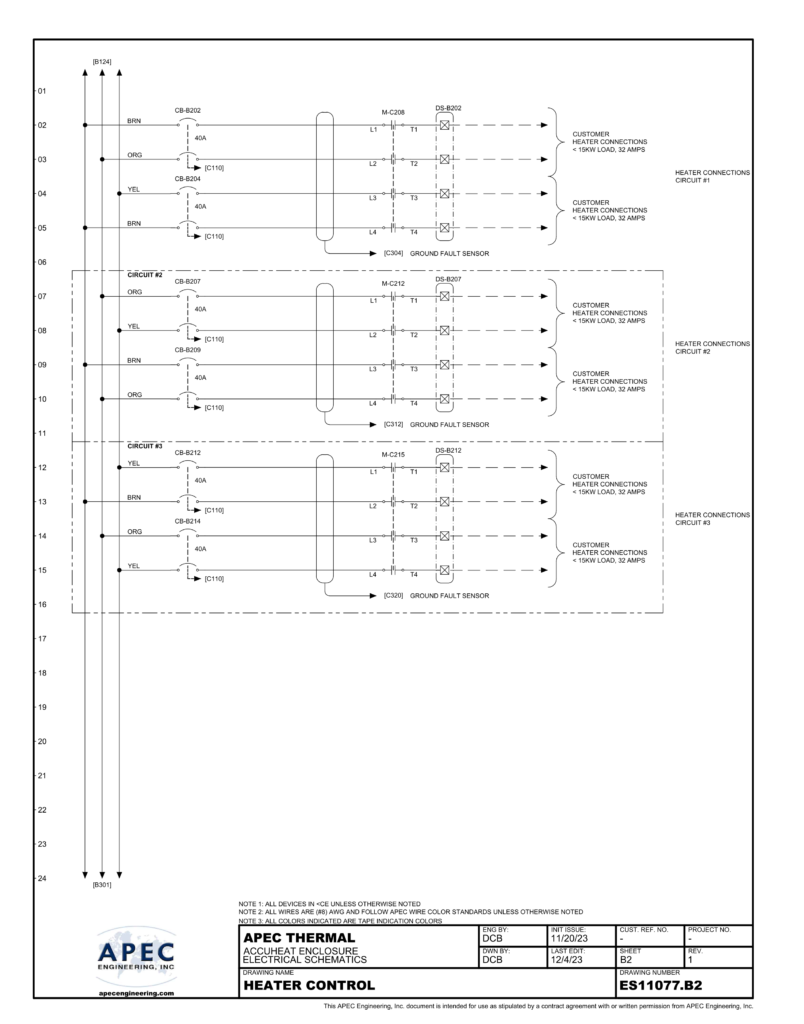
Keep electrical drawings handy: Contact your equipment supplier for a copy of the schematics. Keep a printed copy in the enclosure or save a PDF where you can easily access it.
Plan for replacement parts: Identify critical components and check their availability. Consider stocking parts that are difficult to source or have long lead times.
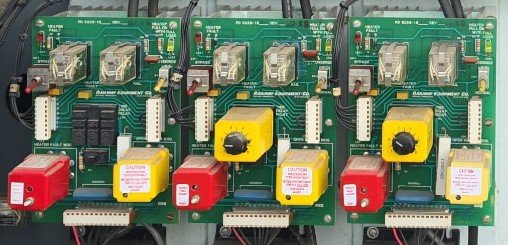
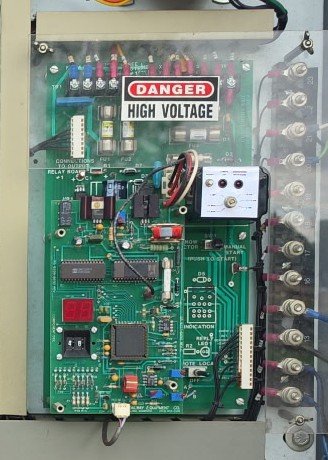
Watch for obsolete equipment: If your enclosure uses proprietary components or PLCs, determine what replacement options are available before something fails.
If you’re dealing with obsolete or proprietary controls, APEC Thermal may be able to help retrofit your system with readily available, off-the-shelf components.
Get Ahead of Winter
A little preparation now can prevent a lot of headaches later. Taking the time to clean, inspect, and test your switch heating equipment can help keep your systems running when you need them most.
Have questions about your controls or need a plan for obsolete equipment?
Give us a call. We’re happy to talk through your system, help troubleshoot an issue, or find a practical solution to keep your equipment running this winter.
Switch heating controls are not equipment you want to replace every few years.
Choosing the right equipment can have a major impact on maintenance costs, system reliability, installation time, and the workload placed on your maintenance personnel. Having a reliable system can make the difference between your team being in the field or being at home with their families. Here are four major things to consider before purchasing a switch heating control system.
1. New Control Enclosure or Back Panel Replacement
One of the first decisions is whether your application requires an entirely new control enclosure or whether the existing enclosure can be reused.
New Installation
For a new installation, the answer is usually straightforward. A completely new control enclosure is typically required along with a new power feed, conduits, and heaters.
Upgrading an Existing Installation
When upgrading controls, you can either replace the entire enclosure or replace the internal back panel while keeping the existing enclosure.
No matter what option you choose: Make sure the new equipment you purchase matches the existing system. Verify incoming voltage, phase, as well as main overcurrent protection, and heater overcurrent protection are the same. Review the enclosures size and verify it will fit on the existing legs.
The easiest thing to do is call up the equipment supplier and have them come onsite to quote a direct replacement before purchasing.
Back Panel Replacement
For an existing switch heating system that needs to be modernized, you may have another option: replace the internal back panel while keeping the existing enclosure.
The most important question is: What condition is the existing enclosure housing in? If the enclosure housing is still in good condition with minimal corrosion, replacing only the back panel can often make more sense than replacing the entire assembly. Inspect the enclosure for:
Significant rust or corrosion
Water intrusion
Damaged doors or hinges
Deteriorated seals or gaskets
Structural damage
Overall enclosure integrity
Reusing a good enclosure can provide several advantages:
Lower equipment cost
Less conduit modification
Faster installation
Reduced field labor
Less disruption to the existing system
Instead of replacing equipment that is still structurally sound, the existing enclosure can continue doing its job while the electrical controls inside are modernized.
The result: less equipment, less installation work, and lower overall project cost.
2. Pay Attention to Proprietary Components
One of the biggest factors affecting the long-term serviceability of switch heating controls is something that can easily be overlooked during the purchasing process.
The Argument Against Proprietary Components
A control enclosure may work perfectly when it is first installed.
The real test comes 10, 20, or 30 years later when a component eventually fails.
If the enclosure is built with commonly available industrial electrical components, your electricians will be able to identify the failed component, purchase a replacement, install it, and put the system back into service – all within a days work using local supply houses.
When proprietary electronics are used, that process can become much more complicated. A proprietary control board or specialized electronic device is only available from the original manufacturer.
That means your maintenance team can become dependent on that manufacturer for:
Replacement parts
Troubleshooting
Future system upgrades
The situation becomes even more difficult when a proprietary component is eventually declared obsolete. Instead of replacing one failed component, you may have to spend thousands to upgrade an entire control board to fix one small issue.
Why We Don’t Use PLCs
For traditional cal rod switch heating systems, the basic requirement is straightforward:
Deliver and control electrical power to resistive heaters safely and reliably.
In many applications, that does not require a PLC or proprietary control board.
Using standard industrial components and simple relay logic provides several long-term advantages:
Easier troubleshooting
Greater replacement-part availability
Longer equipment life
Easier system modifications
More control for your own equipment
When equipment is built around proven, commonly available components, maintenance personnel can continue repairing and improving the system for decades.
Electronics may become obsolete. A well-designed electrical system built around standard components does not have to.
3. Drawings, Parts Lists, and Technical Support
Even the best electrical equipment eventually requires troubleshooting.
When that happens, documentation and technical support become extremely important.
A problem at 1:00 p.m. on a Tuesday is one thing. A problem late at night during a snowstorm is another.
Your maintenance team should have the information they need to quickly understand the system, identify the problem, and make the repair.
Test the Manufacturer’s Technical Support Before Purchasing
There is a simple way to evaluate technical support:
Call them.
Before buying the equipment, contact the manufacturer and ask to speak with someone about a technical question.
Pay attention to:
How quickly someone answers
Whether you reach a knowledgeable technical person
Whether they understand the equipment
Whether they are willing to provide documentation
Whether they can help troubleshoot real field problems
If reaching technical support is difficult while you are considering purchasing the equipment, consider what that experience may be like years later when your maintenance team has an actual problem in the field.
Ask for Electrical Schematics Before You Buy
Before purchasing a switch heating control enclosure, ask the manufacturer whether complete electrical drawings are supplied with the equipment.
Good documentation should allow your electricians to quickly determine:
How power enters the enclosure
How each circuit operates
How individual components are connected
What protection devices are being used
How control devices interact
Where to begin troubleshooting
Clear drawings reduce guesswork and make troubleshooting much faster.
Ask for a Complete Parts List
The enclosure should also include a detailed parts list.
Ideally, the list identifies:
Component manufacturer
Part number
Component description
Replacement information
This allows your team to identify a failed component and find a replacement without having to reverse-engineer the enclosure.
It also gives you another opportunity to determine how many proprietary components are being used.
4. Consider Lead Time
Lead time can have a major impact on your installation schedule, especially if you are trying to have a switch heating system ready before winter.
If you need equipment within a specific timeframe, verify the expected lead time before placing the order.
Why Lead Times Can Become a Problem
Many switch heating control enclosures are built to order.
In some cases, that means the manufacturer does not begin purchasing components until after your order is received.
This can create delays when the system depends on components with long manufacturer lead times, including:
Electrical enclosures
Fusible disconnects
Specialty breakers or protection devices
Certain control components
Other less commonly stocked electrical parts
Some of these components can take weeks or even months to arrive if they are not already in inventory. That delay can quickly push back fabrication, delivery, and ultimately your installation schedule.
How APEC Thermal Reduces Lead Time
We invest a lot on stocking components and keeping inventory.
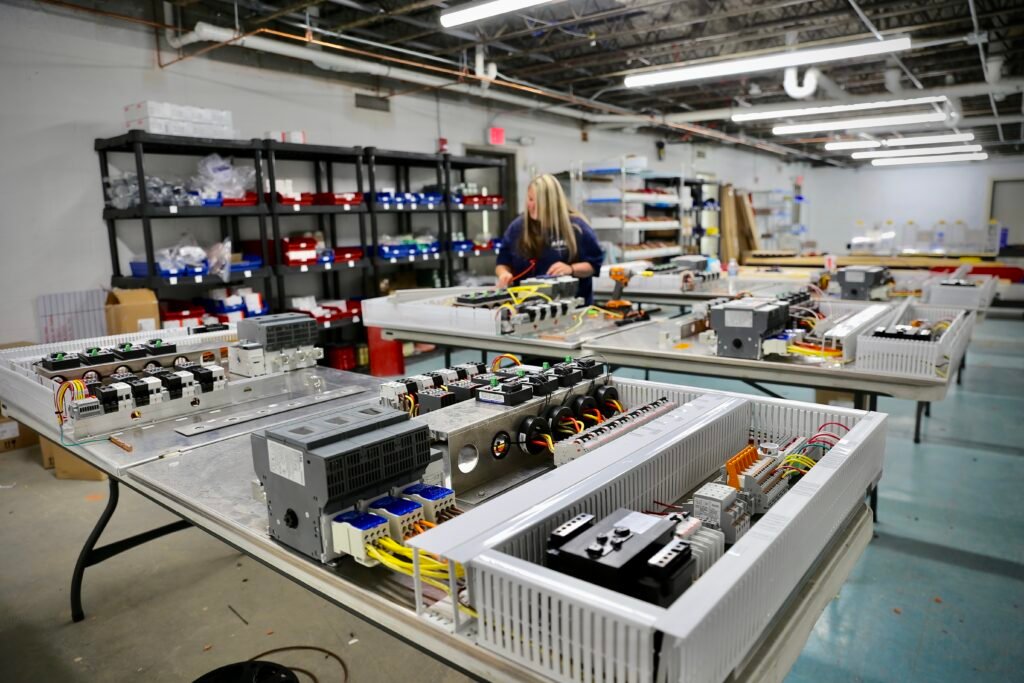
We keep pre-wired back panels available that can be configured based on the required number of circuits.
We also purchase long-lead components ahead of demand, including maintaining an inventory of more than 50 fusible disconnects along with other commonly required parts.
This allows us to configure and complete standard systems without waiting for every component to be ordered after a customer places an order.
Our Goal: Enclosures Shipped Within Two Weeks
Recap: Think About The Full Cost
Switch heating controls are long-term infrastructure.
The initial cost of the enclosure is often times less important than how expensive the system will be to own.
When evaluating your options, consider the complete life of the equipment:
How difficult will it be to install?
Can the existing enclosure be reused?
Are replacement components readily available?
Does the system depend on proprietary electronics?
Are complete electrical drawings provided?
Is a detailed parts list included?
Can your electricians troubleshoot the system themselves?
Will knowledgeable technical support be available when you need it?
Will you get your equipment when you need it?
Build for the Next 30 Years, Not the Next Few Winters
Switch heating controls operate in demanding environments and are expected to perform when conditions are at their worst.
Choosing equipment built for long-term serviceability can reduce installation costs, simplify maintenance, decrease downtime, and extend equipment life.
Most importantly, a reliable system means fewer emergency calls when the weather turns bad.
The objective should be simple:
Buy a system your maintenance team can understand, repair, and rely on for decades.